ADA Considerations for Commercial Concrete Walks and Steps
People searching for ADA concrete walks and steps installation are typically looking to ensure accessibility and compliance, and local contractors can help achieve safe, ADA-compliant solutions.
Property owners exploring ADA considerations for commercial concrete walks and steps are making an important investment in accessibility and compliance. Ensuring that outdoor pathways meet ADA standards can improve safety, usability, and overall accessibility for all visitors, including those with mobility challenges. Whether planning a new installation or upgrading existing concrete features, understanding the key requirements can help prevent costly modifications later and create a welcoming environment for everyone.
Local contractors who specialize in ADA concrete walks and steps can provide valuable expertise to help navigate these considerations effectively. They understand the practical aspects of designing and installing accessible pathways that adhere to current guidelines, making it easier for property owners to meet legal standards while enhancing the functionality of their outdoor spaces. Keep reading to learn more about the importance of ADA compliance and how experienced service providers can support your project.
- Commercial concrete walkways - when businesses need accessible paths that comply with ADA requirements, local contractors can install smooth, level surfaces with proper slopes.
- ADA-compliant steps - property owners seeking to improve accessibility for all visitors often rely on local service providers to add ramps and steps that meet ADA standards.
- Accessible entryways - when designing or renovating commercial entrances, local pros can create ADA-friendly steps and walkways that ensure safe access.
- Pathway modifications for ADA - businesses updating existing concrete walks to meet ADA considerations can find local specialists skilled in making necessary adjustments.
- New concrete installations with ADA features - developers building accessible commercial spaces often work with local contractors to incorporate ADA-compliant steps and walkways from the start.
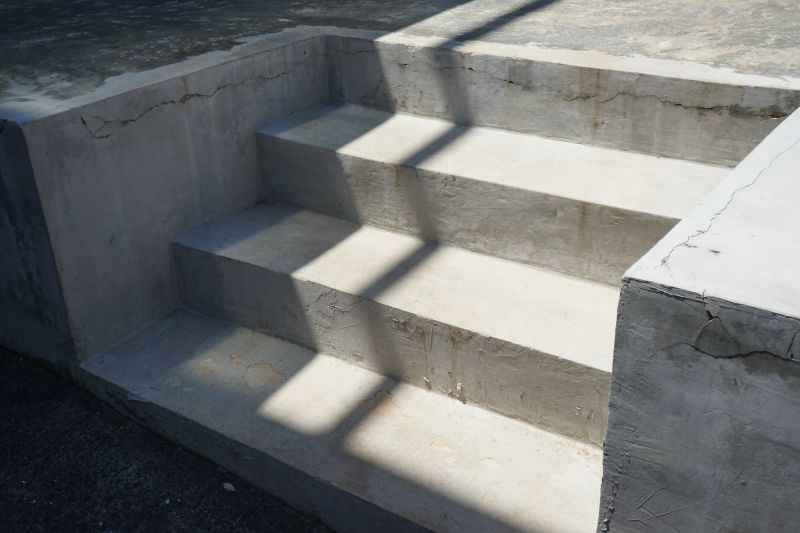

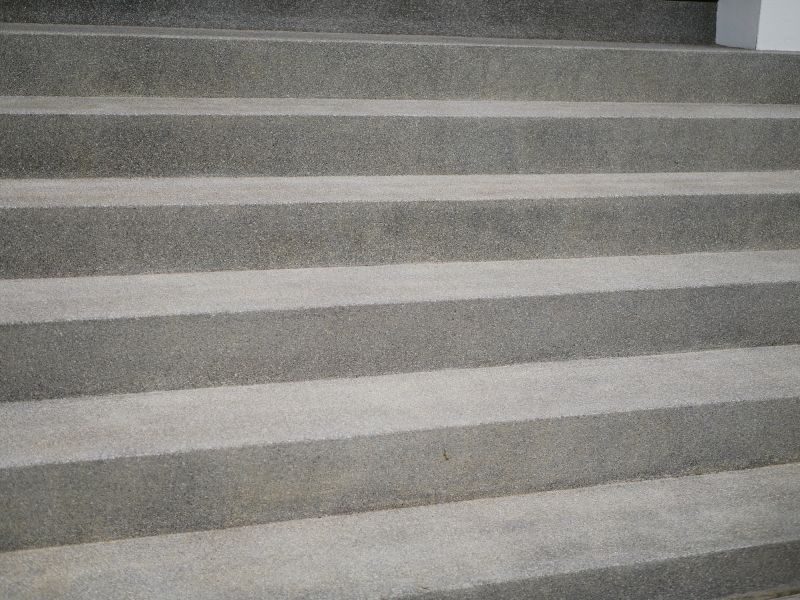
When searching for information on ADA considerations for commercial concrete walks and steps, most people are looking to understand how to make outdoor pathways accessible for everyone, including individuals with mobility challenges. This topic often relates to projects aiming to improve or install sidewalks, ramps, and entryways at commercial properties such as retail stores, office buildings, restaurants, or public facilities. Property owners and managers want to ensure their walkways comply with accessibility standards, which can involve specific measurements, slope requirements, and surface conditions that prevent tripping or difficulty for wheelchair users. Understanding these ADA guidelines helps prevent potential legal issues and enhances the usability of commercial spaces for all visitors.
Problems that frequently prompt attention to ADA considerations for concrete walks and steps include uneven surfaces, steep slopes, and inadequate ramp designs. These issues can create barriers for people with mobility aids or those who experience difficulty walking. Plans often involve installing new concrete walkways or modifying existing ones to meet ADA standards, which specify details like maximum slope, tactile warning surfaces, and appropriate widths. Property owners may also need to replace or repair damaged concrete to prevent hazards. Local contractors experienced in ADA-compliant concrete work can assess existing conditions, recommend necessary modifications, and execute projects that align with accessibility requirements.
The types of properties that commonly come up in discussions about ADA considerations for commercial concrete walks and steps include retail centers, office complexes, healthcare facilities, government buildings, and hospitality venues. These properties often have high foot traffic and are required by law or regulation to provide accessible routes for all visitors. Additionally, public parks, community centers, and educational institutions frequently seek ADA-compliant improvements to serve diverse populations. Whether building new walkways or upgrading older concrete paths, property owners look for local service providers who understand ADA standards and can deliver durable, compliant concrete solutions that enhance accessibility and safety.
ADA considerations for commercial concrete walks and steps connect directly to real projects by guiding the design, construction, and repair processes needed to create accessible outdoor pathways. Local pros who specialize in ADA-compliant concrete work play a vital role in turning accessibility plans into reality. They help property owners navigate the technical requirements, select appropriate materials, and ensure that installations meet current standards. These experts can evaluate existing walkways for compliance, recommend modifications, and perform the installation or repair work necessary to make commercial properties welcoming and accessible for everyone.
Accessible Parking Lot Design - local contractors can assist with planning and installing accessible parking spaces that meet ADA requirements for commercial properties, ensuring proper signage and layout.
Curb Ramp Construction - professionals experienced in ADA compliance can build curb ramps that provide smooth, safe transitions between sidewalks and streets for all users.
Commercial Sidewalk Repair - local service providers can evaluate and repair existing concrete walks to meet ADA standards for slope, surface, and width.
Exterior Stairway Modifications - contractors can modify or install ADA-compliant steps and handrails to improve accessibility for commercial building entrances.
Pathway and Walkway Paving - experts can design and install smooth, level concrete pathways that adhere to ADA guidelines for safety and accessibility.
Entryway Accessibility Improvements - local pros can enhance building entrances with compliant steps, ramps, and tactile warning surfaces to ensure ADA standards are met.

When evaluating service providers for ADA considerations for commercial concrete walks and steps, it is important to consider their experience with similar projects. Homeowners should inquire about the contractor’s past work on ADA-compliant walkways and steps, ensuring they have a track record of successfully completing projects that meet accessibility standards. A contractor’s familiarity with the specific requirements for ADA compliance can help ensure the installation is both functional and durable, reducing the risk of costly adjustments later on. By reviewing portfolios or asking for examples of comparable work, homeowners can gain confidence that the local contractor understands the unique challenges and solutions involved in ADA concrete installations.
Clear, written expectations are essential when choosing a contractor for ADA concrete projects. Homeowners should seek detailed proposals that outline the scope of work, materials to be used, and specific ADA compliance standards that will be followed. This helps establish a mutual understanding of the project goals and ensures that both parties are aligned on the expectations. Well-documented plans also serve as a reference throughout the process, making it easier to address any questions or concerns that may arise. Clear communication about project details can contribute to a smoother installation process and a final result that aligns with accessibility requirements.
Reputable references and good communication are key factors in selecting a reliable service provider for ADA concrete walks and steps. Homeowners can ask local contractors for references from previous clients who had similar ADA-compliant projects completed. Speaking with past customers provides insight into the contractor’s professionalism, reliability, and ability to deliver quality work. Additionally, effective communication throughout the project-such as timely updates and responsiveness to questions-can help ensure that the installation meets accessibility standards and homeowner expectations. Choosing a contractor known for transparent and open communication can lead to a more satisfactory experience and a successful ADA-compliant installation.
Property owners often search for ADA considerations for commercial concrete walks and steps when they are planning practical projects around their homes and businesses. Local pros provide ADA Concrete Walks and Steps Installation services for everyday jobs and straightforward project options.
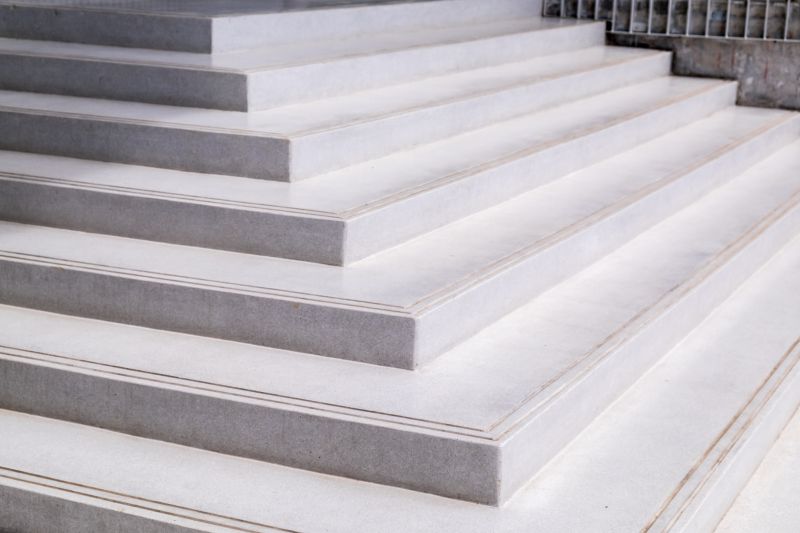

Understanding ADA considerations for commercial concrete walks and steps is essential for property owners aiming to ensure accessibility and compliance. In everyday project situations, businesses and property managers might look into ADA guidelines when planning or renovating entryways, especially if they want to accommodate visitors with mobility challenges. Local contractors who specialize in ADA-compliant concrete installations can help evaluate existing walkways and steps, making necessary adjustments such as adding ramps, adjusting slope gradients, or installing tactile warnings to meet accessibility standards.
Property owners often seek out ADA concrete walks and steps installation services to avoid potential legal issues and to create an inclusive environment for all visitors. Whether installing new pathways or upgrading existing ones, local service providers can handle the specifics of ADA compliance, including proper slope ratios, textured surfaces, and appropriate handrails. Connecting with experienced contractors ensures that commercial walks and steps not only meet regulations but also provide safe, functional access for everyone.
What are key ADA considerations for commercial concrete walks and steps? ADA considerations include ensuring proper slope, width, and surface smoothness to provide safe and accessible pathways for all users.
How do local contractors ensure concrete steps meet ADA standards? Local contractors follow ADA guidelines by installing ramps, tactile warnings, and ensuring appropriate handrail placement and step dimensions.
Are there specific design features to improve accessibility on concrete walks and steps? Yes, features such as gentle slopes, textured surfaces, and accessible entry points help improve overall accessibility for individuals with disabilities.
Can ADA compliance be incorporated into existing concrete walkways and steps? Yes, experienced service providers can modify or add features like ramps or tactile indicators to improve ADA compliance on existing structures.
What role do local pros play in ensuring ADA considerations are met during installation? Local pros assess site conditions, adhere to ADA guidelines, and implement accessible design elements to ensure concrete walks and steps are compliant and safe.
Accessible Pathway Design - Incorporating gentle slopes and wide walkways ensures commercial concrete walks meet ADA standards, making entrances easier to navigate for everyone with mobility challenges.
Proper Step Height and Depth - Installing steps with consistent height and depth helps prevent tripping hazards and ensures compliance with ADA requirements for commercial steps.
Tactile Warning Surfaces - Adding textured surfaces at entrance points alerts visually impaired individuals to changes in elevation or potential hazards on concrete walks and steps.
Smooth, Non-Slip Surfaces - Choosing slip-resistant finishes for concrete surfaces enhances safety and accessibility for all users, especially in wet conditions.
If you are thinking about ADA considerations for commercial concrete walks and steps for a property, this guide is meant to help you understand this topic, the typical project types, and how different options might fit your plans.
When you are ready, you can use the quote form on this page to share a few details about your project. From there, local pros can review the basics and follow up with options that match what you have in mind.